وعندما تتعطل في ليلة الجمعة، بجانب مكبس، أو ناقل، أو خلية روبوت، أو ماكينة تغليف، أو منصة نقالة، أو محطة هيدروليكية، لا أحد في الصيانة يريد محاضرة فلسفية في فلسفة المشتريات حول “المواءمة الاستراتيجية للموردين” بينما الإنتاج ينزف دقائق وصندوق قطع الغيار يحتوي على ثلاثة بدائل شبه صحيحة.
إذن هذا هو موقفي الثابت: لا يكون توحيد الاستشعار مفيدًا إلا عندما يقلل من المخاطر التشغيلية الحقيقية، وليس عندما يحول مصنعك إلى رهينة كتالوج واحد، وحزمة برامج ثابتة واحدة، ومندوب مبيعات واحد، وعذر واحد للمهلة الزمنية.
هل هناك علامة تجارية واحدة أنظف؟ نعم. هل هي دائماً أكثر أماناً؟ لا.
النقاش الدائر حول مستشعرات البائع الواحد مقابل المستشعرات متعددة البائعين تتلوث بفرق المبيعات. تريدك العلامات التجارية الكبيرة للمستشعرات الصناعية أن تقوم بالتوحيد القياسي لأنه يمنحها التحكم في الحساب. تحب فرق المشتريات ذلك لأنه يجعل إدارة البائعين تبدو مرتبة. يحب المهندسون ذلك في بعض الأحيان لأن اصطلاحات الأسلاك، وتوصيلات الأسلاك M12، ومعلمات IO-Link، والأقواس، والأغلفة، وأوراق البيانات تصبح مألوفة. لكن مديري العمليات؟ يجب عليهم طرح سؤال أكثر قسوة: ماذا يحدث عندما لا تستطيع هذه العلامة التجارية الشحن، أو تغير الطراز، أو ترفع الأسعار، أو تراجع بهدوء أحد المكونات داخل نفس الغلاف؟
هنا تكمن الحقيقة.
جدول المحتويات
توحيد المستشعرات ليس قرار علامة تجارية. بل هو قرار يتعلق بوضع الفشل
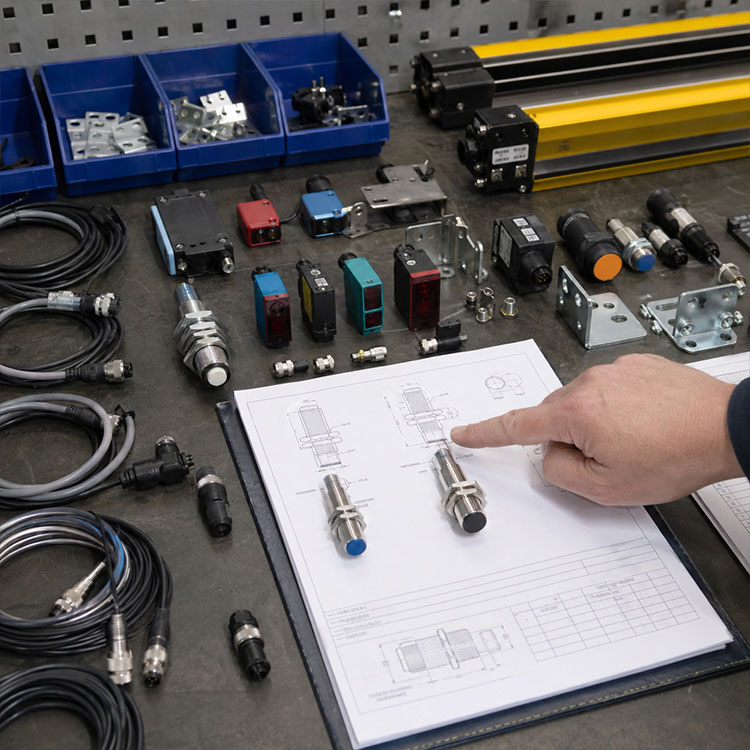
توحيد المستشعرات يعني تحديد عائلات المستشعرات المعتمدة، والواجهات الكهربائية، والتنسيقات الميكانيكية، وقواعد التوثيق، وممارسات قطع الغيار، وحدود تأهيل الموردين بحيث يمكن بناء الآلات وصيانتها وتدقيقها مع وجود اختلافات أقل غير منضبطة.
هذا التعريف مهم لأن المشترين غالبًا ما يخلطون بين “توحيد العلامة التجارية للمستشعرات” و“شراء كل شيء من مورد واحد مشهور”. هذان ليسا نفس الشيء.
يمكنك التوحيد على:
الجهد: 10-30 فولت تيار مستمر
منطق الإخراج: PNP أو NPN
موصل: M8، M12، M12، كابل، موصل طيران
فئة الحماية: ip65، ip67، ip68، ip69k
مبيت: M12، M18، مستطيل الشكل، من نوع الشوكة، مبيت أمان نحيف
فئة السلامة: النوع 2، النوع 4، PL d، PL e، SIL 2، SIL 3
ولكن “يجب أن يكون كل شيء من العلامة التجارية X” أمر مختلف. هذا هو دمج بائعي أجهزة الاستشعار, ، ويمكن أن يبسط نباتك أو يجعله هشًا.
لا أثق في جداول البيانات النظيفة. يمكن لجدول البيانات أن يقول أن أحد الموردين يخفض التكلفة الإدارية بمقدار 181 تيرابايت و3 تيرابايت. حسنًا. لكن الماكينة لا تعمل على أناقة جداول البيانات. إنها تعمل على محاذاة الشعاع، وقابلية التكرار، ووقت الاستجابة، وتحمل التوافق الكهرومغناطيسي EMC، وتخفيف إجهاد الكابلات، وصلابة الحامل، وتصنيف درجة الحرارة، وما إذا كان الجزء البديل في الخزانة عند توقف الخط.
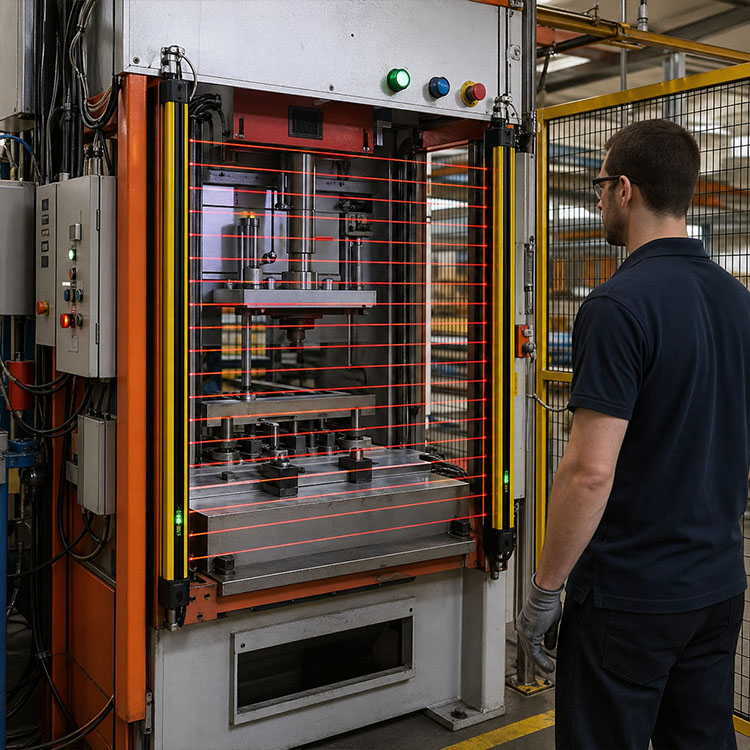
بالنسبة لحراسة الماكينات، يصبح هذا الأمر أكثر خطورة. إذا كنت تحدد ستائر ضوئية آمنة، فلا تعاملها مثل المفاتيح الكهروضوئية العادية. تحذر إرشادات حراسة الماكينات الصادرة عن إدارة السلامة والصحة المهنية (OSHA) من استخدام الستائر الضوئية المحيطية للحماية في نقاط التشغيل، لأن الأجهزة المحيطية لها مسافات أوسع بين القنوات وهي مصممة لحماية المنطقة وليس لحماية اليد أو الإصبع. انظر صياغة إدارة السلامة والصحة المهنية الخاصة ب OSHA حول أجهزة استشعار التواجد لحراسة الماكينات.
حالة العلامة التجارية لجهاز استشعار واحد: مفاجآت أقل، وصيانة أسرع، وتدريب أنظف
أنا أفهم النداء. حتى أنني أتفق مع جزء منه.
عندما يستخدم أحد المصانع ستة أنواع مختلفة من أجهزة الاستشعار في 40 جهازًا، تتسلل الفوضى. مستشعر حثي واحد هو PNP مفتوح عادةً. وآخر هو NPN مغلق عادةً. ويستخدم أحد أجهزة الاستشعار الكهروضوئية جهاز استشعار كهروضوئي واحد يستخدم التعليم. ويستخدم آخر مقياس جهد صغير جدًا يتم تدميره بواسطة الفنيين غير الصبورين. ستارة ضوء أمان واحدة تحتاج إلى وحدة تحكم مطابقة. وآخر لديه مخرجات OSSD. وجاء آخر من صانع ماكينات اختفى في عام 2019.
فوضى عارمة.
منضبط توحيد العلامة التجارية للمستشعر يمكن للبرنامج أن يقلل من هذه الفوضى. يمكنه إنشاء عائلة افتراضية للكشف الروتيني: حساسات القرب الاستقرائي الحثي M12، وحساسات كهروضوئية منتشرة، وحساسات عبر الشعاع، وستائر ضوئية آمنة 20 مم أو 30 مم، ومبيتات مدمجة للماكينات الصغيرة، وإصدارات الآلات الثقيلة للمكابس، ووحدات مقاومة للماء لمناطق الغسيل.
هذا يوفر الوقت. ويوفر التدريب. ويوفر الأخطاء.
ولكن فقط إذا كان المعيار مكتوباً حول التطبيق.
لا يحتاج خط التعبئة والتغليف إلى نفس سياسة الاستشعار مثل المكبس الهيدروليكي. لا تحتاج الخلية الروبوتية إلى نفس طريقة الحماية التي يحتاجها ناقل النقل. لا تحتاج منطقة معالجة الأغذية الرطبة إلى نفس مبيت محطة تجميع الإلكترونيات الجافة. إذا كان المعيار يتجاهل البيئة، وزمن الاستجابة، ومسافة الأمان، وتوجيه الكابلات، وخلوص التركيب، والتلوث، ومنطق إعادة التشغيل، فهو ليس توحيدًا قياسيًا. إنه شراء كسول مع وضع شعار عليه.
للمشترين الذين يعملون على منصات مصنعي المعدات الأصلية, رؤى مشتريات مصنعي المعدات الأصلية يجب أن تركز على ترميز النماذج القابلة للتكرار، والعينات المعتمدة، ومراقبة الرسم، وإمكانية تتبع الدفعات، والبدائل الواضحة. أفضل أن أرى مصفوفة مستشعرات معتمدة مملة ولكن موثقة بدلاً من اتفاقية توريد عالمية جميلة لا يمكن لأحد في طابق الصيانة استخدامها.
حالة تعدد البائعين: المرونة ليست جميلة، لكنها تبقى على قيد الحياة
تعدد البائعين قبيح.
وهذا القبح هو بالضبط سبب نجاحه عندما يصبح العالم غريبًا، لأن المصنع الذي لديه بدائل معتمدة، ومعادلة أسلاك موثقة، ومنطق استبدال مختبر، ومصدرين مؤهلين على الأقل لمستشعرات عالية الاستهلاك يمكنه الاستمرار في البناء بينما ينتظر مصنع العلامة التجارية الواحدة رسالة تخصيص بالبريد الإلكتروني.
الأدلة العالمية ليست خفية. فمعهد تومسون رويترز تقرير التجارة العالمية لعام 2024 وجد أن 74% من المتخصصين في التجارة العالمية الذين شملهم الاستطلاع قالوا إن أعمالهم تأثرت بقوانين مراقبة التوريد الواجبة، بينما تأثر 52% بقوانين مراقبة الصادرات ذات الطابع الجيوسياسي. يقول التقرير نفسه إن الشركات تستخدم تنويع سلسلة التوريد والتكنولوجيا لتحسين الرؤية وإدارة الاضطراب.
هذه هي النسخة الناضجة من استراتيجية المستشعرات متعددة البائعين.
وهذه ليست مجرد نظرية. فقد ذكرت وكالة رويترز في نوفمبر 2025 أن المديرين التنفيذيين لجنرال موتورز دفعوا بعض الموردين لإيجاد بدائل للصين للحصول على المواد الخام والقطع، حيث قالت بعض المصادر إنه تم تحديد موعد نهائي في عام 2027 لبعض الموردين لفك علاقاتهم مع الصين.
قد لا تكون جنرال موتورز. أعلم ذلك. لكن الدرس يتدرج بوحشية.
إذا كان صانع سيارات $100 مليار يقلق بشأن التبعية، فلماذا يتظاهر صانع ماكينات متوسط الحجم بأن مصدر استشعار واحد يكفي دائمًا؟
الرابطة الوطنية للمصنعين’ استبيان توقعات المصنعين للربع الرابع من عام 2024 كما أظهر أيضًا أن عدم اليقين التجاري بلغ 56.11 تيرابايت 3 تيرابايت كتحدٍ تجاري، مرتفعًا من 36.81 تيرابايت 3 تيرابايت في الربع الثالث، و68.71 تيرابايت 3 تيرابايت بين كبار المصنعين. الترجمة: مخاطر الموردين ليست موضوعًا أكاديميًا. إنه موجود بالفعل داخل اجتماعات المشتريات.
لذا نعم، قم بالتوحيد القياسي. ولكن قم بتوحيد الواجهة والتوثيق وفئة الأداء أولاً. ثم الموافقة على مصادر متعددة حيث تبرر تكلفة التوقف.
التكلفة الخفية: تأمين البائعين المستشعرين
نادراً ما يعلن البائع عن نفسه. فهو يصل على شكل راحة.
أولاً، تمنحك العلامة التجارية خصمًا جيدًا. ثم تشير رسوماتك إلى أرقام الأجزاء المملوكة. ثم تفترض قوالب PLC الخاصة بك تخطيط بيانات IO-Link الخاصة بهم. ثم تمتلئ خزاناتك الاحتياطية بمبانيها. ثم يتعلم مشغِّلوكم طريقة محاذاة هذه الأجزاء. ثم تسميهم كتيبات الماكينات الخاصة بك مباشرةً. ثم يصبح المورد “المفضل” المورد الوحيد الذي يجرؤ أي شخص على استخدامه.
هذا هو تثبيت بائع أجهزة الاستشعار.
وبحلول وقت إشعارات المشتريات، لم تعد تكلفة التبديل تتعلق بسعر المستشعر. بل يتعلق الأمر بالرسومات، والكتيبات، وموافقات العملاء، والتحقق من السلامة، والأقواس، والتدريب على الاستبدال، واتفاقيات صانع الماكينات، ولغة الضمان.
يحذر NIST من هذه الفئة الأوسع من المخاطر في SP 800-161 التنقيح 1, الذي يغطي إدارة مخاطر سلسلة التوريد الخاصة بالأمن السيبراني للمنتجات والخدمات. يشير NIST على وجه التحديد إلى المخاطر الناجمة عن المنتجات المقلدة، والوظائف الخبيثة، وممارسات التطوير الضعيفة، وانخفاض الرؤية في كيفية تطوير التكنولوجيا المكتسبة ودمجها ونشرها.
والآن طبق هذا التفكير على المستشعرات الصناعية.
لم تعد المستشعرات الحديثة أسطوانات معدنية غبية بعد الآن. فالعديد منها يشتمل على ASICs، والبرامج الثابتة، ومنطق التعليم، ومعلمات IO-Link، والتشخيصات المدمجة، وبواعث الليزر، وقياس زمن الرحلة، ودوائر OSSD المصنفة للسلامة، أو البرامج الخاصة بالبائع. قسم المشتريات الذي يعاملها مثل البراغي السلعية هو بالفعل متأخر.
حتى الجهات التنظيمية تفهم مخاطر البائعين. فقد تناولت لجنة تنظيم الطاقة الفيدرالية في وضع قواعد سلسلة التوريد الخاصة باللجنة الفيدرالية لتنظيم الطاقة بشأن CIP-013 الوصول عن بُعد للبائعين، وسلامة البرمجيات، والموثوقية، وتخطيط نظام المعلومات، وإدارة مخاطر البائعين. إن إشعار السجل الفيدرالي بشأن معايير موثوقية إدارة مخاطر سلسلة التوريد قدرت تكلفة إنشاء خطة سلسلة التوريد لمرة واحدة بـ 546 ساعة لكل مجيب، بمتوسط تكلفة $44,772.
هذا بالنسبة للأنظمة الكهربائية السائبة، وليس خط التعبئة والتغليف. لكن الرسالة هي نفسها: بمجرد توصيل المكونات بالسلامة أو التحكم أو الوصول أو التشخيص أو البرمجيات، تصبح مخاطر البائعين مخاطر تشغيلية.
علامة تجارية واحدة مقابل بائعين متعددين: الجدول الذي يجب على المشترين استخدامه بالفعل
عامل القرار
توحيد العلامة التجارية لجهاز استشعار واحد
البقاء متعدد البائعين
التدريب على الصيانة
تدريب أسهل، وواجهات أقل، وعادات احتياطية أنظف
هناك حاجة إلى مزيد من التدريب، ولكن مع قدرة أفضل على التكيف
قطع الغيار
عدد أقل من وحدات التخزين المخزنية ومخزون أبسط
عدد أكبر من وحدات حفظ المخزونات، ولكن مقاومة أفضل للنقص
التصميم الهندسي
إعادة استخدام أسرع للرسومات والأقواس والأسلاك وقوالب PLC
المزيد من أعمال التحقق من الصحة عبر النماذج والموردين
قوة التسعير
خصومات قوية في وقت مبكر، ورافعة مالية أضعف في وقت لاحق
أفضل عرض أسعار أفضل إذا تمت الموافقة على البدائل
مخاطر التوريد
زيادة التعرض لتأخيرات العلامات التجارية، والتوقف، والتخصيص، والاضطراب الإقليمي
انخفاض التعرض إذا تم اختبار البدائل وتوثيقها
التحقق من السلامة
أنظف إذا كانت منصة واحدة مفهومة بعمق
قوي إذا كان كل بديل يتم التحقق من صحته من خلال الوظيفة وليس الشكل فقط
أفضل ملاءمة
منصات تصنيع المعدات الأصلية والماكينات المكررة والبيئات الخاضعة للرقابة
الاعتماد على العلامة التجارية المتنكر في زي الكفاءة
الشراء العشوائي المتخفي في زي المرونة
نادراً ما تكون أفضل إجابة نقية.
بالنسبة للكشف الروتيني، قم بالتوحيد القياسي بقوة. بالنسبة للأجهزة ذات التصنيف الآمن، قم بالتوحيد القياسي حسب فئة المخاطر وطريقة التحقق من الصحة. بالنسبة لأجهزة الاستشعار السلعية عالية الاستهلاك، اعتمد البدائل. بالنسبة لمنتجات السلامة المتخصصة، استخدم قائمة معتمدة أكثر صرامة ووثق السبب.
وبالنسبة للآلات الغريبة؟ أعد الهندسة إلى الغرفة.
أفضل علامة تجارية لأجهزة الاستشعار للتصنيع ليست دائمًا الاسم الأكبر. إنها العلامة التجارية، أو مجموعة العلامات التجارية المعتمدة، التي يمكنها تلبية متطلبات السلامة الخاصة بك، والشحن باستمرار، وتوفير وثائق قابلة للاستخدام، ودعم تكرار الإنتاج، والصمود في ظروف مصنعك الحقيقية.
قد يكون مورداً واحداً. وقد يكون ثلاثة.
قاعدتي العملية: توحيد الهندسة المعمارية وليس الشعار
إليك القاعدة التي سأستخدمها.
قم بتوحيد البنية أولاً: الجهد، ونوع الإخراج، ونمط الموصل، وتصنيف الحماية، وفئة زمن الاستجابة، وغلاف التركيب، وشكل التوثيق، وعملية التحقق من الصحة، وفئة قطع الغيار. ثم قرر ما إذا كانت كل عائلة مستشعر تستحق موردًا واحدًا معتمدًا أو اثنين من الموردين المعتمدين أو سياسة مفتوحة معتمدة معادلة.
بالنسبة لسلامة الماكينة، هذا هو المكان أدلة اختيار جهاز السلامة المسألة. الستارة الضوئية الآمنة من النوع 4 ذات الدقة 14 مم لحماية الأصابع لا تعادل طراز حماية اليدين 30 مم، ولا يمكن استبدال أي منهما بجهاز محيطي لمجرد أن الثلاثة يستخدمون أشعة تحت الحمراء.
بالنسبة للماكينات المخصصة، استخدم دراسات حالة سلامة الماكينة الحقيقية لاختبار ضغط التفكير في التطبيق: ما الذي يتم اكتشافه؟ يد؟ جسم؟ هدف معدني؟ منصة نقالة؟ حزمة عاكسة؟ منطقة روبوت متحركة؟ حاوية رطبة؟ غشاء شفاف رقيق؟ تحدد الإجابة عائلة المستشعر قبل أن تبدأ محادثة العلامة التجارية.
سياسة مستشعر معتمد أفضل
قد تبدو السياسة الجادة كما يلي
المستوى 1: النموذج القياسي المفضل للماكينات المكررة
المستوى 2: بديل معتمد مع الأسلاك المختبرة والتوافق الميكانيكي
المستوى 3: بديل معتمد هندسيًا للنقص أو التطبيقات المخصصة
المستوى 4: محظور دون مراجعة المخاطر، ومراجعة السلامة، وتحديث الوثائق
هذه ليست بيروقراطية. هذا هو إشراف البالغين.
أيضًا، توقف عن الموافقة على المستشعرات حسب “نفس الحجم ونفس الجهد”. هكذا تحدث البدائل السيئة. يجب أن يتطابق الاستبدال مع الوظيفة: مسافة الاستشعار، ونوع الهدف، ومناعة الضوء، وزمن الاستجابة، وسلوك الإخراج، وتصنيف السلامة، والتصنيف البيئي، والموصل، وطول الكابل، والتركيب، والتشخيص، وسلوك الفشل.
خاصة سلوك الفشل.
لأن الماكينة لا تهتم بأن بديلك كان أرخص.
عندما أختار علامة تجارية واحدة
سأختار توحيد العلامة التجارية الواحدة عندما تكون عائلة الماكينة قابلة للتكرار، وتكون البيئة مستقرة، ويكون لدى المورد وثائق قوية، وتتمتع عائلة المستشعرات بدعم دورة حياة طويلة، وتكون تكلفة الارتباك الداخلي أكبر من مخاطر الاعتماد على المصادر.
أمثلة على ذلك:
تقوم الشركة المصنعة للمعدات الأصلية بتصنيع 200 ماكينة مماثلة سنوياً
تستخدم جميع الماكينات نفس بنية التحكم
يتم شحن قطع الغيار مع كل ماكينة
يتوقع العملاء كتيبات إرشادات وأسلاك متناسقة
يدعم المورد وضع العلامات الخاصة والرسومات والتحكم في الدُفعات المتكررة
يستخدم نظام السلامة تصميماً معتمداً وقابلاً للتكرار
هذا هو المكان الذي يمكن أن تتألق فيه علامة تجارية أساسية معتمدة. يقلل من العائق الهندسي. يقلل من تذاكر الدعم. يجعل التدريب أسهل. يمنح المشتريات رافعة حجم أفضل.
لكنني ما زلت أؤهل النماذج الاحتياطية للأجزاء عالية الخطورة.
دائماً.
متى سأبقى متعدد البائعين
سأبقى على تعدد البائعين عندما يكون لدى المصنع أعمار ماكينات مختلطة، أو خطوط مستوردة متعددة، أو التعرض للمصادر الإقليمية، أو الطلب غير المؤكد، أو البيئات القاسية، أو تطبيقات السلامة حيث لا توجد علامة تجارية واحدة تغطي كل حالات الاستخدام بشكل جيد.
أمثلة على ذلك:
مصنع براونفيلد مع ماكينات من اليابان وألمانيا والصين وإيطاليا والولايات المتحدة.
يستخدم أحد الخطوط ستائر ضوئية مدمجة للسلامة، ويستخدم خط آخر ستائر ضوئية مدمجة للسلامة، ويستخدم خط آخر حراسة الآلات الثقيلة
تحتاج المناطق الرطبة إلى مبيتات IP67 أو IP68
تحتاج مركبات AGVs أو الروبوتات المتحركة إلى ليدار السلامة بدلاً من الستائر الثابتة
تتعرض المشتريات لتحولات التعريفة الجمركية أو دورات الشحن البحري الطويلة
الصيانة لها بدائل مثبتة بالفعل
في تلك الحالات، تصبح سياسة العلامة التجارية الواحدة القسرية مسرحًا.
الحركة الأفضل هي الحركة المضبوطة استراتيجية المستشعرات متعددة البائعين:: علامتان أو ثلاث علامات تجارية معتمدة لأجهزة الاستشعار الصناعية لكل فئة رئيسية، والبدائل المختبرة، والوثائق المؤمنة، وحظر الاستبدال العشوائي الطارئ ما لم يوقع المهندسون على ذلك.
الأسئلة الشائعة
ما هو توحيد أجهزة الاستشعار؟
توحيد المستشعرات هي عملية تحديد أنواع المستشعرات المعتمدة، والواجهات، ومتطلبات الأداء، وقواعد التوثيق، وممارسات الاستبدال حتى يمكن تصميم الآلات وصيانتها وتدقيقها مع وجود تباين أقل واستبدال أقل غير منضبط عبر أنظمة الأتمتة الصناعية.
باللغة الإنجليزية البسيطة، يعني ذلك توقف المصنع عن شراء أجهزة الاستشعار بشكل عشوائي. ولكنه لا يعني دائمًا أن كل جهاز يجب أن يأتي من مصنع واحد. يمكن أن يتضمن معيار المستشعر الجيد العديد من العلامات التجارية المعتمدة إذا كانت تتطابق مع نفس المتطلبات الكهربائية والميكانيكية ومتطلبات السلامة والتوثيق.
هل يجب عليك توحيد العلامة التجارية لمستشعر واحد؟
يجب عليك توحيد العلامة التجارية لمستشعر واحد فقط عندما تكون الماكينات قابلة للتكرار، ويكون المورد موثوقًا، ويكون نطاق التطبيق ضيقًا، وتفوق الوفورات في التدريب وقطع الغيار والتوثيق وإعادة الاستخدام الهندسي مخاطر الاعتماد على المورد.
بالنسبة لمصنعي المعدات الأصلية الذين يبنون منصات متكررة، يمكن أن تعمل علامة تجارية أساسية واحدة بشكل جيد. أما بالنسبة للمصانع المختلطة، والخطوط المخصصة، وتحديثات السلامة، وبيئات التوريد العالمية، فأنا أفضل نموذج العلامة التجارية الأساسية بالإضافة إلى البديل المعتمد. إنه أقل جمالاً، لكنه ينجو من النقص بشكل أفضل.
ما هي مخاطر انغلاق بائع أجهزة الاستشعار؟
حالة "تثبيت بائع المستشعرات" هي الحالة التي يصبح فيها المصنع معتمدًا على أرقام قطع أحد الموردين أو الأقواس أو البرامج الثابتة أو الكتيبات أو التشخيصات أو اصطلاحات الأسلاك الخاصة بمورّد واحد بحيث يصبح تبديل العلامات التجارية مكلفًا أو بطيئًا أو محفوفًا بالمخاطر من الناحية التشغيلية.
لا يكمن الخطر في السعر فقط. الخطر الأكبر هو الشحنات المتأخرة، والنماذج المتوقفة، والبرمجيات المسجلة الملكية، والبدائل غير المختبرة، وضعف القدرة التفاوضية. يبدو الإغلاق فعالاً في البداية ومكلفاً في النهاية.
هل استراتيجية المستشعرات متعددة البائعين أكثر أماناً؟
تعتبر استراتيجية المستشعرات متعددة البائعين أكثر أمانًا عندما يتم اختبار البدائل وتوثيقها والتحكم فيها بشكل صحيح من قبل المهندسين بدلاً من اختيارها بشكل عرضي عن طريق الشراء أثناء حالات الطوارئ أو النقص.
يقلل تعدد الموردين من الاعتماد على مورد واحد، ولكنه قد يؤدي أيضًا إلى حدوث ارتباك إذا اختلف منطق الإخراج أو الأسلاك أو وقت الاستجابة أو سلوك الاستشعار أو تصنيفات السلامة. المفتاح هو التكافؤ المنضبط، وليس التنوع غير المنضبط.
ما هي أفضل علامة تجارية لأجهزة الاستشعار للتصنيع؟
أفضل علامة تجارية لأجهزة الاستشعار للتصنيع هي تلك التي تناسب التطبيق الدقيق، وتوفر إمدادًا مستقرًا، وتوفر وثائق فنية واضحة، وتدعم الاستبدال القابل للتكرار، وتفي بمستوى الأداء المطلوب للسلامة أو الأتمتة.
لا يوجد فائز عالمي. قد لا يكون مورد مستشعر القرب القوي هو أفضل مورد لستائر الإضاءة الآمنة. قد لا تكون العلامة التجارية العالمية المتميزة هي الأنسب لمشاريع تصنيع المعدات الأصلية المخصصة. تعتمد الإجابة الصحيحة على الماكينة والخطر والبيئة والمهلة الزمنية ونموذج الدعم.
كيف يجب على مصنعي المعدات الأصلية التعامل مع دمج بائعي أجهزة الاستشعار؟
يجب على الشركات المصنعة للمعدات الأصلية التعامل مع دمج بائعي أجهزة الاستشعار من خلال تحديد النماذج المفضلة للمنصات المتكررة، والموافقة على البدائل لحماية التوريد، وتأمين الرسومات والمواصفات، وطلب المراجعة الهندسية قبل دخول أي جهاز استشعار بديل إلى الإنتاج.
الهدف ليس عبادة شعار واحد. الهدف هو تقليل التباين دون خلق تبعية. بالنسبة لمصنعي المعدات الأصلية، عادةً ما يكون النهج الأكثر أمانًا هو مورد أساسي واحد لكل عائلة مستشعر بالإضافة إلى بدائل مؤهلة مسبقًا للأجزاء التي يمكن أن توقف الشحن أو الخدمة الميدانية.
الأفكار النهائية: بناء معيار استشعار يمكنه تحمل الضربات
إذا كان معيار الاستشعار الخاص بك يعمل فقط عندما يقوم كل مورد بالشحن في الوقت المحدد، ويظل كل موديل متاحًا، وكل مندوب مبيعات يقول الحقيقة، وكل بديل يتصرف بشكل مثالي، فأنت لا تملك معيارًا. لديك أمل.
اكتب المعيار كما لو أن الفشل قادم.
تحديد عائلات المستشعرات. قفل الواجهات. توثيق البدائل المعتمدة. افصل مستشعرات الأتمتة العادية عن الأجهزة المصنفة للسلامة. تعامل مع الستائر الضوئية الآمنة، وأجهزة استشعار السلامة وأجهزة استشعار القرب وأجهزة الاستشعار الكهروضوئية كفئات مخاطر مختلفة، وليس كصفحات كتالوج قابلة للتبديل.
ثم اطرح السؤال غير المريح في مراجعة المشتريات التالية: هل نقوم بتقليل المخاطر، أم نجعل قائمة الموردين تبدو أكثر نظافة؟
إذا كان برنامجك التالي لبناء الماكينة، أو ترقية المصنع، أو برنامج توريد المعدات الأصلية يحتاج إلى مراجعة عملية لاختيار المستشعرات، فاستخدم فئات المنتجات وموارد المشتريات على ستارة الأمان لتعيين التطبيق أولاً، ثم اختيار استراتيجية المورد ثانياً.