وعندما تمر الحقيبة السوداء اللامعة من أمام مستشعر كهروضوئي منتشر رخيص بسرعة 90 عبوة في الدقيقة، لا يهتم المستشعر بأمر الشراء أو وعدك بسرعة الخط أو كتيب البائع اللامع؛ فهو لا يرى سوى عائد ضعيف وبريق كاذب وزاوية سيئة وهامش بصري ضعيف.
إذن من الذي يدفع عندما يخطئ العداد؟
سأكون صريحًا: معظم تطبيقات المستشعرات الفاشلة لم تكن بسبب “المستشعرات السيئة”. بل كان سببها الاختيار الكسول. شخص ما اختار مستشعر كهروضوئي لأن الهدف كان موجودًا. ليس لأن الهدف يعكس الضوء أو يمتصه أو ينكسر أو ينكسر أو يتشتت أو يخفف الضوء بطريقة يمكن التنبؤ بها.
هذا الاختلاف مهم.
بالنسبة للأهداف الشفافة والسوداء والعاكسة واللامعة، لا تتمثل المهمة في “اكتشاف جسم ما”. المهمة هي التحكم في عدم اليقين البصري. يمكن أن تمر زجاجة PET شفافة، وحشية مطاطية سوداء، وملصق كروم، وكيس بوليباج لامع، وصينية شفافة بنفس نقطة النقل وتتصرف مثل خمسة أعداء مختلفين.
لماذا تحطم الأهداف الشفافة والسوداء والعاكسة واللامعة الأهداف الشفافة والسوداء والعاكسة واللامعة أجهزة الاستشعار الكهروضوئية العادية
الأهداف الشفافة ليست غير مرئية، ولكنها غالبًا ما تفشل في حجب الضوء الكافي. لا تكون الأهداف السوداء “مظلمة” دائمًا لكل طول موجي، ولكنها يمكن أن تمتص الضوء الأحمر الذي تعتمد عليه العديد من أجهزة الاستشعار المنتشرة القياسية. يمكن للأهداف العاكسة واللامعة أن ترتد الضوء بعيدًا عن جهاز الاستقبال، أو الأسوأ من ذلك، يمكن أن ترتد الكثير من الضوء وتخلق تعدادًا مزدوجًا.
هذا هو الجزء القذر.
مراجعة 2025 في الضوء التصنيع المتقدم يفسر سبب صعوبة قياس الأجسام الشفافة: المواد الشفافة تخلق سلوك انكسار وانعكاس معقد، وغالبًا ما يُفضل القياس البصري غير التلامسي لأن طرق التلامس يمكن أن تلحق الضرر بالسطح. هذه هي اللغة المختبرية لشيء يعرفه مهندسو المصانع بالفعل: الأهداف الواضحة تغش افتراضات بسيطة.
أنا لا أثق في أي توصية استشعار تتجاهل هذه الأسئلة الأربعة:
ما الطول الموجي الذي تستخدمه؟
لا يتفاعل الصمام الثنائي الباعث للضوء الأحمر، والصمام الثنائي الباعث للضوء الأزرق، والصمام الثنائي الباعث للضوء بالأشعة تحت الحمراء، والليزر المرئي، و905 نانومتر ليدار، و1550 نانومتر ليدار لا تتفاعل مع كل مادة بالطريقة نفسها. قد يمتص المطاط الأسود طولاً موجيًا واحدًا ويعيد ما يكفي من طول موجي آخر. قد يشتت الغشاء اللامع شكل شعاع ويعكس شكل شعاع آخر.
هل يقرأ المستشعر التواجد أو المسافة أو التباين أو الانقطاع؟
التواجد أوسع. المسافة أنظف. غالبًا ما يكون انقطاع الشعاع أكثر استقرارًا. يمكن أن يعمل التباين، إلى أن يقوم مورد التغليف بتغيير الحبر أو الفيلم أو الورنيش أو مخزون الملصقات.
ما هي الزاوية المستهدفة؟
السطح الشبيه بالمرآة عند 90 درجة يختلف عن السطح الشبيه بالمرآة المائل بزاوية 7 درجات. على الأسطح العاكسة، الهندسة ليست تفصيلاً. هذا هو الحال.
ما مقدار الهامش الذي لديك؟
قد ينهار الحساس الذي يعمل يوم الثلاثاء مع عدسة نظيفة وعاكس جديد وجهد ثابت وسرعة خط بطيئة بعد الغبار أو الغسيل أو الاهتزاز أو الانجراف الحراري أو 1.5 مم من تجول المنتج.
مصفوفة الاختيار العملية التي لا يضعها أحد في ورقة التسعير
إليك النسخة الميدانية. إنها ليست أنيقة. إنها مفيدة.
نوع الهدف
لماذا تفشل المستشعرات المنتشرة القياسية
الخيار الأول الأفضل
خيار النسخ الاحتياطي
تحذير الإعداد
زجاجة PET شفافة، وقارورة زجاجية، وصينية شفافة
توهين شعاع ضئيل للغاية؛ حيث يؤدي الانكسار إلى انحراف الضوء بشكل غير متوقع
مستشعر كهروضوئي عاكس رجعي مع استقطاب أو بصريات محورية
مستشعر المسافة بالليزر مع تعليم الكثافة + المسافة
اختبار مع عينات فارغة وممتلئة ومبللة ومخدوشة ومطبوع عليها ملصق
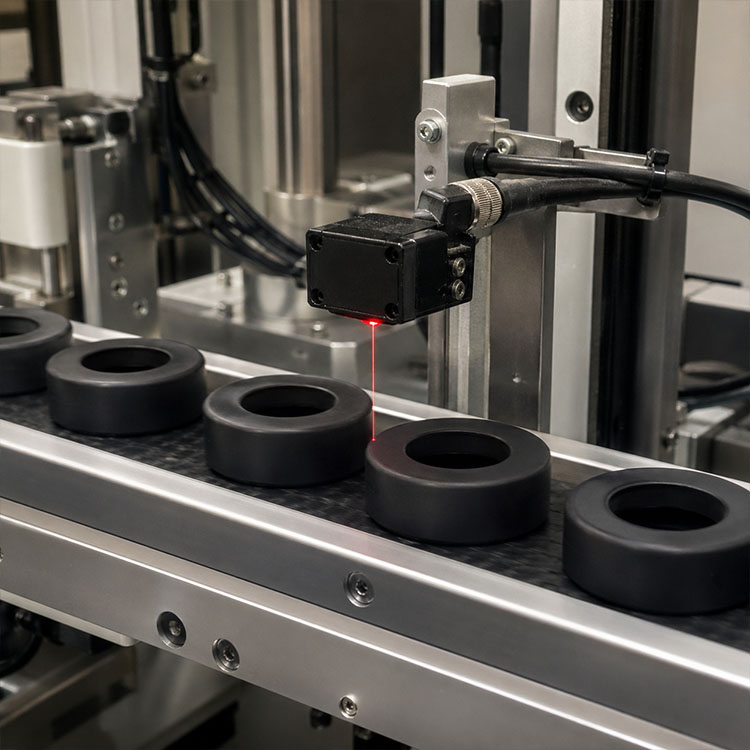
مطاط أسود، بلاستيك أسود غير لامع، بلاستيك أسود غير لامع، رغوة داكنة
انعكاس منخفض؛ قد يكون عائد الصمام الثنائي الباعث للضوء الأحمر ضعيفاً
مستشعر الضوء الأزرق المنتشر أو مستشعر المسافة بالليزر
مستشعر الشعاع العابر
لا توافق على استخدام عينة “أفضل مظهر” واحدة فقط
كيس مصقول، ملصق كروم، غشاء معدني
يتسبب الانعكاس البقعي في حدوث انعكاس كاذب أو عدم حدوث انعكاس كاذب
جهاز استشعار كهروضوئي عاكس عكسي مستقطب
مستشعر بزاوية عبر الشعاع أو مستشعر الألياف البصرية
تغيير زاوية الاستشعار قبل إلقاء اللوم على المستشعر
جزء معدني عاكس
قد يرتد الشعاع بعيدًا عن جهاز الاستقبال أو يشبعه
مستشعر المسافة بالليزر مع كبت الخلفية
مستشعر القرب الاستقرائي إذا كان الكشف عن المعادن فقط كافياً
الجزء المنحني اللامع أصلب من اللوح المسطح اللامع
حافة القطعة الصغيرة، السلك، الدبوس، اللسان
قد يكون الهدف أصغر من بقعة الشعاع
مستشعر الألياف البصرية الكهروضوئي
عالية الدقة عبر الشعاع
المحاذاة والتحكم في الاهتزازات أكثر أهمية من نطاق الكتالوج
منطقة وصول البشر بالقرب من الماكينات
مستشعر اكتشاف الأجسام ليس وظيفة أمان بشكل افتراضي
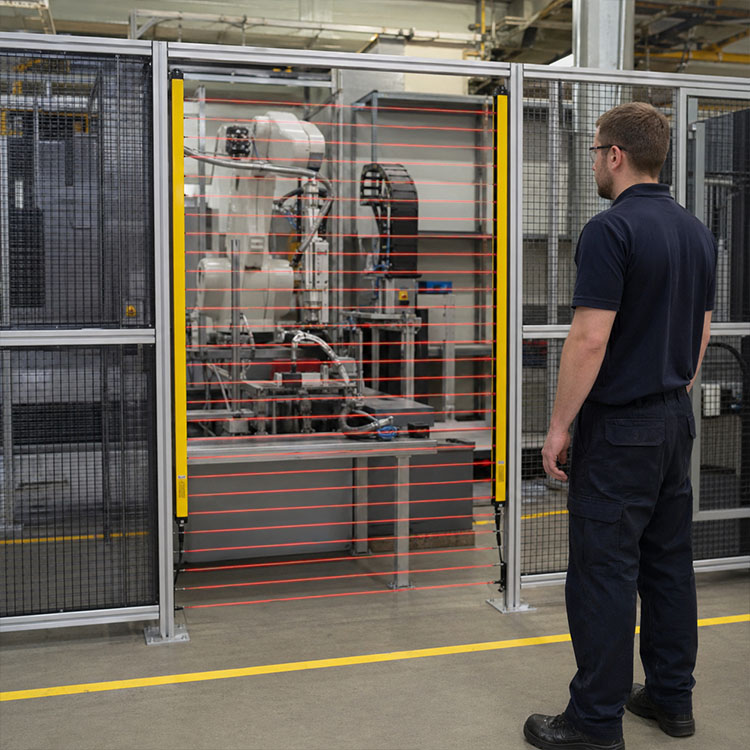
ستارة السلامة الضوئية أو ستارة السلامة LiDAR
حارس ثابت زائد تحكم في الوصول المتشابك
لا تخلط بين استشعار الأتمتة والحماية المصنفة حسب السلامة
عندما يكون الهدف صغيرًا، أو يتحرك بسرعة، أو يختبئ خلف هيكل آلة، أنظر جيدًا إلى مستشعر الألياف الضوئية الكهروضوئية تحديد المواقع بدقة لأن رأس الاستشعار يمكن أن يتسع حيث لا يمكن لجسم المستشعر الضخم. لكنني لن أستخدم الألياف البصرية كغبار سحري. فهي لا تزال بحاجة إلى وضع الشعاع الصحيح، وإعداد المضخم، وتوجيه الكابلات، وعرض الهدف.
أهداف شفافة: الوضوح لا يعني البساطة
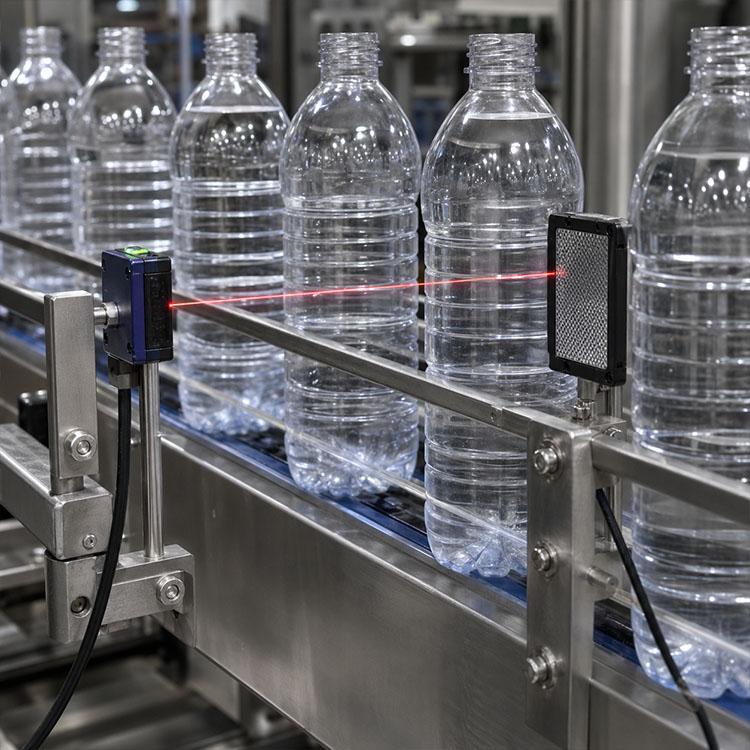
تعمل مستشعرات الكشف عن الأجسام الشفافة عادةً عن طريق اكتشاف التوهين أو تغير المسافة أو تغير الشدة أو الانقطاع. يبدو ذلك بسيطًا إلى أن تقوم بتشغيل زجاجة شفافة بها تكاثف وفجوة في الملصق وكتف منحني ودرز مصبوب عبر نفس المحطة.
لدي قاعدة صارمة: لا أوافق أبدًا على الكشف الشفاف من عينة واحدة نظيفة تحت إضاءة المكتب.
اختبر المجموعة القبيحة: زجاجة فارغة، زجاجة ممتلئة، زجاجة مبللة، زجاجة مخدوشة، زجاجة بملصق، زجاجة بدون ملصق، زجاجة على أدنى تباعد، زجاجة بأقصى سرعة. لا يتصرف كل من PET، والكمبيوتر الشخصي، والزجاج، والأكريليك، وفيلم PP الرقيق بنفس الطريقة. أضف قطرات الماء وستقوم بتغيير المسار البصري مرة أخرى.
بالنسبة للأهداف الواضحة، تعتبر المستشعرات الكهروضوئية العاكسة العاكسة شائعة لأنها تستطيع اكتشاف الضوء المرتجع المنخفض بين المستشعر والعاكس. التكلفة هي انضباط التركيب. تؤثر كل من مسافة العاكس، وتلوث العاكس، ومحاذاة الشعاع، وفجوة الهدف، وانعكاسات الخلفية على الموثوقية.
تكون مستشعرات المسافة بالليزر أقوى عندما تحتاج إلى اكتشاف الأهداف الصغيرة الواضحة أو موضع الحافة أو الأجزاء الواضحة دون تركيب عاكس. يمكن للوحدات الأفضل تقييم كل من المسافة وشدة الضوء المرتجع. وهذا مهم لأن المادة الواضحة قد لا “تحجب” الشعاع، ولكنها قد تشوه العائد المتوقع في الخلفية.
يعد تقرير فراونهوفر IOF لعام 2025 حول الاستشعار الحراري ثلاثي الأبعاد مفيدًا للتحقق من الواقع: فقد قلل عمل goROBOT3D من وقت القياس والتقييم للأجسام الشفافة أو السوداء العميقة من 15 ثانية إلى أقل من 1.5 ثانية باستخدام طريقة إسقاط جديدة. هذا ليس جهاز استشعار ناقل قياسي، لكنه يثبت النقطة الأكبر: الأهداف الشفافة والسوداء صعبة بما يكفي لدرجة أن معاهد الأبحاث لا تزال تبذل جهوداً جادة في هذا المجال.
الأهداف السوداء: نطاق الكتالوج عادة ما يكذب عليك
الأجسام السوداء تعاقب اختيار المستشعر البطيء لأنها تمتص الضوء. قد يعمل المستشعر عند 200 مم على الورق الأبيض ويفشل عند 60 مم على المطاط الأسود. هذا ليس تناقضًا. هذه هي الفيزياء.
الخطأ الذي أراه في أغلب الأحيان هو استخدام نطاق الاستشعار الاسمي كما لو كان نطاقًا مضمونًا. فغالبًا ما يعتمد نطاق الكتالوج على هدف مرجعي محدد، وليس على مبيت ABS الأسود الزيتي أو وسادة الرغوة أو مكون الإطار أو الجزء البلاستيكي المملوء بالكربون.
استخدم هذا الترتيب في التفكير:
للأجسام السوداء على خلفية أفتح
استخدم كبت الخلفية أو استشعار المسافة بالليزر. قم بتعليم الخلفية، ثم اكتشف فرق المسافة. يقلل هذا من الاعتماد على الانعكاسية وحدها.
للأجسام السوداء على خلفيات سوداء
تحتاج إلى اختلاف أقوى من “موجود”. ابحث عن تغيير المسافة، أو انقطاع الحافة، أو منطق من خلال الشعاع، أو العرض الميكانيكي الذي يخلق انفصالاً. إذا كان كل ما لديك هو انعكاس منتشر أسود على أسود، فأنت تراهن على وقت تشغيل الإنتاج على أمل.
كما يُظهر عمل مستشعر وقت الرحلة الذي أجراه المعهد الوطني للمعايير والتكنولوجيا (NIST) المشكلة في سياق مختلف. ففي الاختبارات التي أجريت على بقع انعكاسية بيضاء ورمادية وسوداء، أظهرت صورة كثافة المستشعر ثلاثي الأبعاد فلاش ليدار أن اللون الأسود أكثر قتامة من الألوان الفاتحة، وحذر التقرير من أن هذه النتائج قد تحتاج إلى تضمينها في معايير أجهزة الاستشعار ثلاثية الأبعاد المتقدمة.
الأهداف العاكسة واللامعة: العدو الحقيقي هو الانعكاس المرآوي البراق
تفشل مستشعرات الكشف عن الأسطح اللامعة بطريقتين. الفشل الواضح هو عدم الكشف. والفشل الأسوأ هو الكشف غير المستقر: يعطي منتج واحد عددًا واحدًا، ويعطي المنتج التالي عددين، ويختفي المنتج التالي.
هكذا يتم شحن الخردة.
تنشئ الأسطح العاكسة انعكاسًا مرآويًا، مما يعني أن الضوء يرتد بزاوية متوقعة مثل المرآة. إذا لم يكن جهاز الاستقبال في مسار العودة هذا، فإن الهدف يبدو غائبًا. إذا كانت الهندسة ترسل انعكاسًا قاسيًا إلى جهاز الاستقبال، يمكن أن يشبع المستشعر أو يخطئ في القراءة.
بالنسبة للأسطح اللامعة والعاكسة، أفضل إحدى هذه الطرق:
مستشعرات كهروضوئية عاكسة عكسية مستقطبة
استخدمها عندما يمر الهدف بين المستشعر والعاكس وتحتاج إلى تقليل الإرجاع الخاطئ من الأسطح اللامعة. يساعد المرشح المستقطب الحساس على التمييز بين عوائد العاكس والانعكاس المباشر للهدف اللامع.
أجهزة استشعار عبر الشعاع
استخدمها عندما تسمح مساحة التركيب بوجود الباعث والمستقبل على جوانب متقابلة. الكشف عبر الشعاع بسيط للغاية: الهدف يكسر الشعاع. بالنسبة للأجزاء العاكسة، غالباً ما تكون البساطة أفضل.
أجهزة استشعار المسافة بالليزر
استخدمها عندما تكون مسافة الهدف أو موضعه أكثر أهمية من مجرد وجوده. على الأجزاء اللامعة الشكل، قد تحتاج إلى تركيب بزاوية أو مواضع اختبار متعددة لتجنب ارتداد المرآة.
مستشعرات الألياف البصرية
استخدمها عندما يكون الوصول إليها ضيقًا أو عندما تكون الميزة المستهدفة صغيرة. أنا أحب الألياف البصرية للألسنة والحواف وأغطية الزجاجات والحشيات الصغيرة والدبابيس وجيوب الماكينات الضيقة. ولكن مرة أخرى: المحاذاة هي المهمة.
إذا كان التطبيق ينطوي على مراقبة المنطقة حول عربات AGVs، أو أجهزة التحكم الآلي المتقدمة، أو خلايا الروبوت، أو أتمتة المستودعات، فلا تمدد مستشعر كهروضوئي واحد إلى شيء لم يكن من المفترض أن يقوم به. انظر إلى مستشعرات ليدار السلامة لرصد المناطق الديناميكية عندما يكون المطلب هو الكشف الميداني بدلاً من الكشف النقطي.
السلامة ليست هي نفسها الاستشعار
إليك الحقيقة الصعبة: جهاز الاستشعار الآلي الذي يكتشف الصندوق ليس جهاز أمان تلقائيًا يحمي اليد.
تصف الأداة الإلكترونية لحراسة الماكينات الصادرة عن إدارة السلامة والصحة المهنية والصحة المهنية (OSHA) أجهزة استشعار التواجد كوسيلة حماية شائعة توقف تلقائيًا عن تشغيل الماكينة عند انقطاع مجال الاستشعار، ولكنها تنص أيضًا على وجود متطلبات صارمة قبل تركيب الستائر الضوئية كوسيلة حماية في نقطة التشغيل. كما تشير إدارة السلامة والصحة المهنية أيضًا إلى أنه لا يمكن استخدام أجهزة استشعار التواجد على الماكينات المزودة بقوابض ذات دوران كامل.
هذا الأمر مهم لأن المشترين الصناعيين غالباً ما يخلطون بين عمليتي شراء مختلفتين:
اكتشاف الأتمتة: “هل وصل المنتج؟”
كشف السلامة: “هل يمكن للآلة التوقف قبل وصول الشخص إلى الخطر؟”
هذان ليسا أبناء عمومة. فهما التزامان مختلفان.
أبلغ مكتب إحصاءات العمل الأمريكي عن 5,070 إصابة عمل مميتة في عام 2024، حيث يموت عامل كل 104 دقائق بسبب إصابة عمل. أنا لا أذكر ذلك لتزيين المدونة بالخوف. أنا أذكره لأن قرارات الاستشعار السيئة تصبح أحداثًا حقيقية حول الناقلات، والمكابس، وخلايا الروبوتات، وأجهزة التحميل على منصات نقالة، وقواطع، وماكينات التعبئة والتغليف.
قائمة التحقق الميدانية الخاصة بي قبل اختيار أجهزة الاستشعار للأهداف الصعبة
قبل أن أوصي بحساسات كهروضوئية للكشف عن الأجسام الشفافة، أو حساسات للأجسام السوداء، أو حساسات للأسطح العاكسة، أو حساسات للكشف عن الأسطح اللامعة، أريد هذه التفاصيل على الطاولة.
منطق التحكم: تشغيل الضوء، والتعتيم، ووضع التعليم، والمؤقت، والتباطؤ، وكبت الخلفية.
بيانات البيئة
الغبار، رذاذ الزيت، الغسيل، البخار، البخار، التكثيف، درجة الحرارة، الاهتزاز، الضوء المحيط، وميض اللحام، حراسة الماكينة العاكسة.
حماية الدخول: قد يكون IP67 كافياً للغبار ورذاذ الماء؛ قد يكون IP69K مهماً في الغسيل عالي الضغط.
البيانات الميكانيكية
مسافة التركيب، وصلابة الحامل، وزاوية المستشعر، ومساحة العاكس، ومسار الكابل، ومخاطر الصدم، والوصول إلى التنظيف.
المستشعر ليس مجرد مكون كهربائي. إنه نظام بصري مثبت على آلة تهتز في غرفة قذرة.
منطق الاستشعار الأفضل ملاءمة حسب التطبيق
بالنسبة للزجاجات الشفافة على خط التعبئة، أبدأ بأجهزة الاستشعار الكهروضوئية العاكسة إذا كان حجم الزجاجة معتدلًا والتباعد سليمًا. أما إذا كانت الزجاجة صغيرة أو سريعة أو غير منتظمة أو كان تركيب العاكس سيئًا، فإنني أتجه نحو استشعار المسافة بالليزر.
بالنسبة للحقائب اللامعة على معدات التعبئة والتغليف، أتجنب الكشف المنتشر المستقيم ما لم يكن هناك خيار آخر. وعادةً ما يعطي الاستقطاب العكسي المستقطب، أو الانعكاس العكسي المستقطب، أو الزاوية من خلال الشعاع، أو كبت الخلفية الليزرية مسارًا أنظف.
بالنسبة للمطاط الأسود على معدات التجميع، أقوم باختبار الضوء الأزرق المنتشر، ومسافة الليزر، والشعاع العابر. إذا كان الهدف مدعومًا بالمعدن أو معدنيًا فقط، فإنني أفكر في استشعار القرب بدلاً من مكافحة الامتصاص البصري.
بالنسبة للأجزاء المعدنية العاكسة، لا أثق في اختبار المقعد. أريد الاتجاه الحقيقي، وغشاء الزيت الحقيقي، والاهتزاز الحقيقي، وسرعة الدورة الحقيقية.
بالنسبة للأهداف الصغيرة، أفكر في مستشعرات الألياف البصرية في وقت مبكر. شعاع صغير، ورأس صغير، وموضع قريب، وأقل دراما.
بالنسبة للأشخاص القريبين من مخاطر الماكينات، أتوقف عن الحديث عن المستشعرات الكهروضوئية وأتحدث عن الستائر الضوئية المصنفة للسلامة، والأقفال البينية، وأجهزة المسح الضوئي للسلامة، ومنطق PLC للسلامة، ووقت التوقف، والمسافة الآمنة.
الأسئلة الشائعة
ما هو أفضل مستشعر كهروضوئي للأجسام الشفافة؟
مجس الكشف عن الأجسام الشفافة عادةً ما يكون مجسًا كهروضوئيًا عاكسًا رجعيًا أو مجسًا عابرًا للحزمة أو مجس مسافة ليزريًا يكتشف التغير في شدة الشعاع أو انقطاع الشعاع أو المسافة عندما تمر مادة شفافة عبر منطقة الاستشعار في ظل ظروف الإنتاج الحقيقية. يعتمد الاختيار الأفضل على حجم الهدف والسرعة والانحناء والتلوث والوصول إلى العاكس.
بالنسبة للزجاجات والصواني الشفافة الأكبر حجمًا، يمكن أن تكون الحساسات العاكسة العاكسة فعالة من حيث التكلفة. بالنسبة للأهداف الصغيرة الشفافة، أو الفجوات الضيقة، أو التركيب الخالي من العاكس، غالبًا ما تعطي مستشعرات المسافة بالليزر تحكمًا أفضل لأنها تستطيع تقييم المسافة والشدة المرتجعة.
كيف تكتشف الأجسام السوداء باستخدام المستشعرات الكهروضوئية؟
يعمل الكشف عن الأجسام السوداء بشكل أفضل عندما لا يعتمد المستشعر على الضوء الأحمر المنعكس فقط، لأن الأسطح السوداء غير اللامعة غالبًا ما تمتص الكثير من الضوء بشكل كبير جدًا للكشف المنتشر المستقر على مسافات صناعية عادية. تشمل الطرق الأفضل الاستشعار المنتشر بالضوء الأزرق، أو استشعار المسافة بالليزر، أو إخماد الخلفية، أو الكشف من خلال الشعاع، أو استشعار القرب الاستقرائي للأهداف السوداء المعدنية.
لا تختبر عينة سوداء نظيفة واحدة فقط. اختبر الدفعة الأكثر قتامة والدفعة الأكثر زيتاً والدفعة الأكثر سخونة والسطح الأقل انعكاساً الذي تتوقع أن تراه في الإنتاج.
لماذا تتسبب الأسطح اللامعة والعاكسة في الحصول على قراءات خاطئة للمستشعر؟
تتسبب الأسطح اللامعة والعاكسة في الحصول على قراءات مستشعر خاطئة لأنها تخلق انعكاسًا مرآويًا، مما يؤدي إلى إرسال الضوء بعيدًا عن جهاز الاستقبال، أو إلى جهاز الاستقبال بقوة شديدة، أو نحو أسطح الماكينة القريبة التي تخلق انعكاسات ثانوية غير مستقرة. يمكن أن يتسبب ذلك في حدوث اكتشافات مفقودة أو تعدادات مزدوجة أو تشبع أو اكتشاف يتغير مع زاوية الهدف.
عادةً ما يكون الإصلاح هو الهندسة البصرية، وليس التسويق بصوت أعلى. قم بتغيير الزاوية، أو استخدم الاستشعار الانعكاسي المستقطب، أو استخدم الكشف من خلال الشعاع، أو انتقل إلى استشعار المسافة بالليزر عندما يكون الموضع هو المتغير الثابت.
هل مستشعرات المسافة الليزرية أفضل من المستشعرات الكهروضوئية العاكسة الرجعية؟
تُعد مستشعرات المسافة بالليزر أفضل عندما يحتاج التطبيق إلى تحديد الموقع بدقة، أو اكتشاف هدف صغير، أو اكتشاف جسم واضح بدون عاكس، أو تقليل الاعتماد على لون الهدف وعائد السطح. غالبًا ما تكون المستشعرات الكهروضوئية العاكسة العاكسة أفضل عندما يكون الهدف أكبر، وتكون الفجوة واضحة، ويمكن تركيب العاكس بشكل صحيح، ويكون التحكم في التكلفة مهمًا.
لا أتعامل مع أحدها على أنه متفوق عالميًا. تحل أجهزة استشعار المسافة بالليزر بعض المشاكل القبيحة، لكنها لا تزال بحاجة إلى خلفية مستقرة وتركيب نظيف وإعداد تعليمي صحيح.
هل يمكن لمستشعر واحد اكتشاف الأهداف الشفافة والسوداء والعاكسة واللامعة؟
يمكن لجهاز استشعار واحد في بعض الأحيان اكتشاف الأهداف الشفافة والسوداء والعاكسة واللامعة، ولكن فقط عندما يتم تصميم التطبيق حول المسافة المستقرة أو انقطاع الشعاع المستقر أو الهندسة المتحكم فيها أو هامش تعليمي واسع بدلاً من الانعكاسية المنتشرة البسيطة. في التطبيقات ذات الأهداف المختلطة، عادةً ما يكون استشعار المسافة بالليزر أو الاستشعار من خلال الشعاع أقوى منطق بدء.
الإجابة الصادقة هي: اختبر أسوأ العينات. إذا كان المستشعر يجتاز الأجزاء السهلة فقط، فإنه لم يجتازها.
الأفكار النهائية: توقف عن شراء المستشعرات وكأنها براغي
أجهزة الاستشعار الكهروضوئية ليست مثبتات سلعية. فهي صانعة قرارات بصرية، والأهداف الصعبة تكشف القرارات الضعيفة بسرعة.
إذا كان تطبيقك يتضمن عبوات شفافة أو مطاطًا أسود أو معدنًا عاكسًا أو غشاءً لامعًا أو ناقلات سريعة أو فجوات ضيقة أو مخاطر وصول البشر، فلا ترسل استفسارًا من سطر واحد يقول “تحتاج إلى مستشعر”. أرسل المادة المستهدفة، واللون، وتشطيب السطح، والسرعة، والمسافة، ومتطلبات الإخراج، والجهد، ورسم التركيب، والبيئة، وتكلفة الفشل.
ثم اطلب اختياراً حقيقياً وليس تخميناً.
للحصول على مراجعة عملية للمستشعرات الكهروضوئية، أو الكشف بالألياف الضوئية، أو بدائل التقارب، أو خيارات الستائر الضوئية المصنفة للسلامة، أرسل تفاصيل طلبك من خلال صفحة الاتصال الهندسي. اسأل عن اختيار مستشعر يتحمل العينات السيئة والعدسات المتسخة والاهتزازات وتغيير العبوة التالية - وليس فقط الفيديو التجريبي.